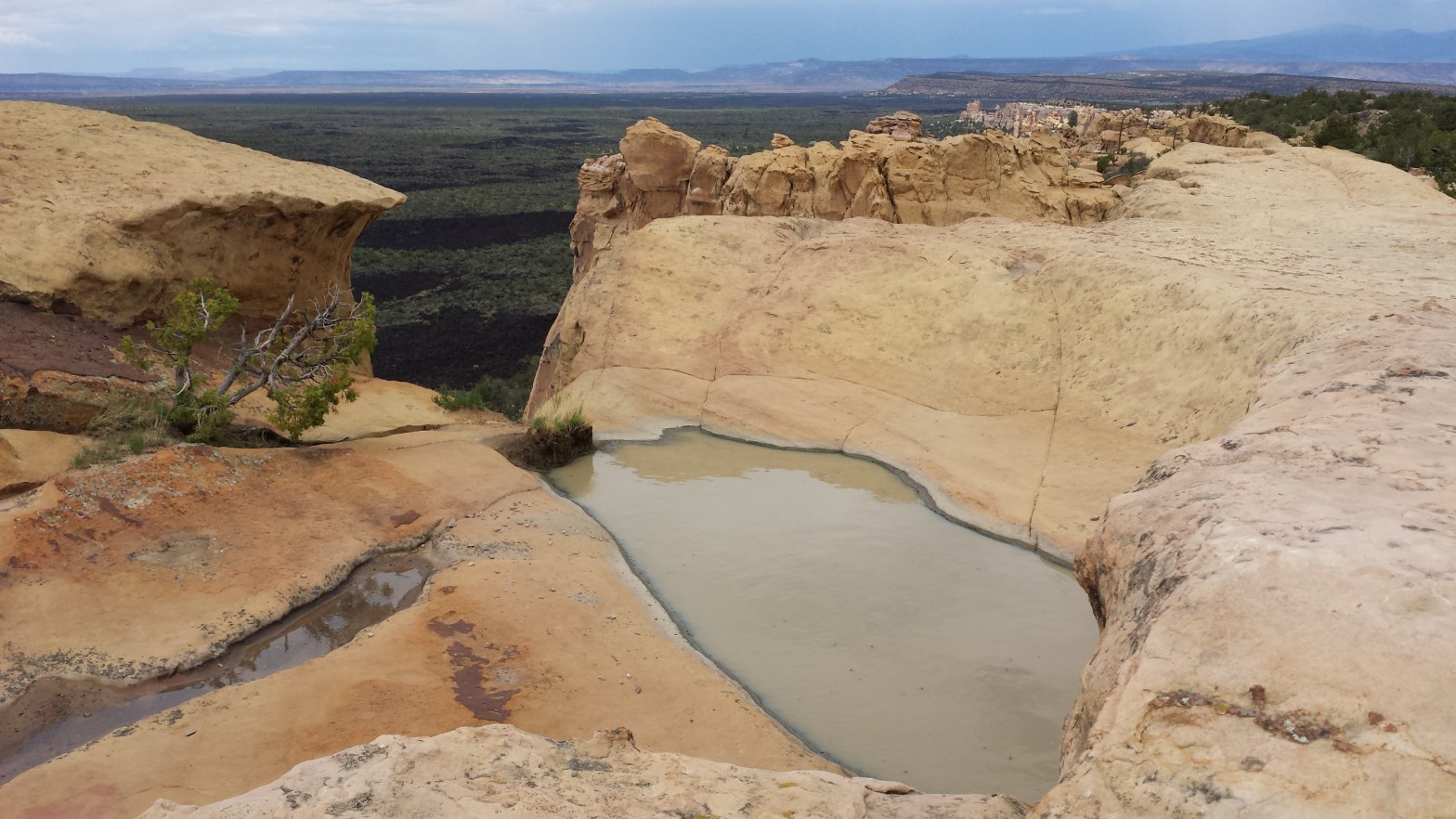
Near Grants, New Mexico lies a place with rather intriguing natural formations, like this one. I find this place very meditative or contemplative, whichever you are in the mood for. As you meditate, or have a picnic, or play bocci ball up here, you’ll notice the expansive views – too bad these “wells” up here are not hot springs!
Inspiring Tree
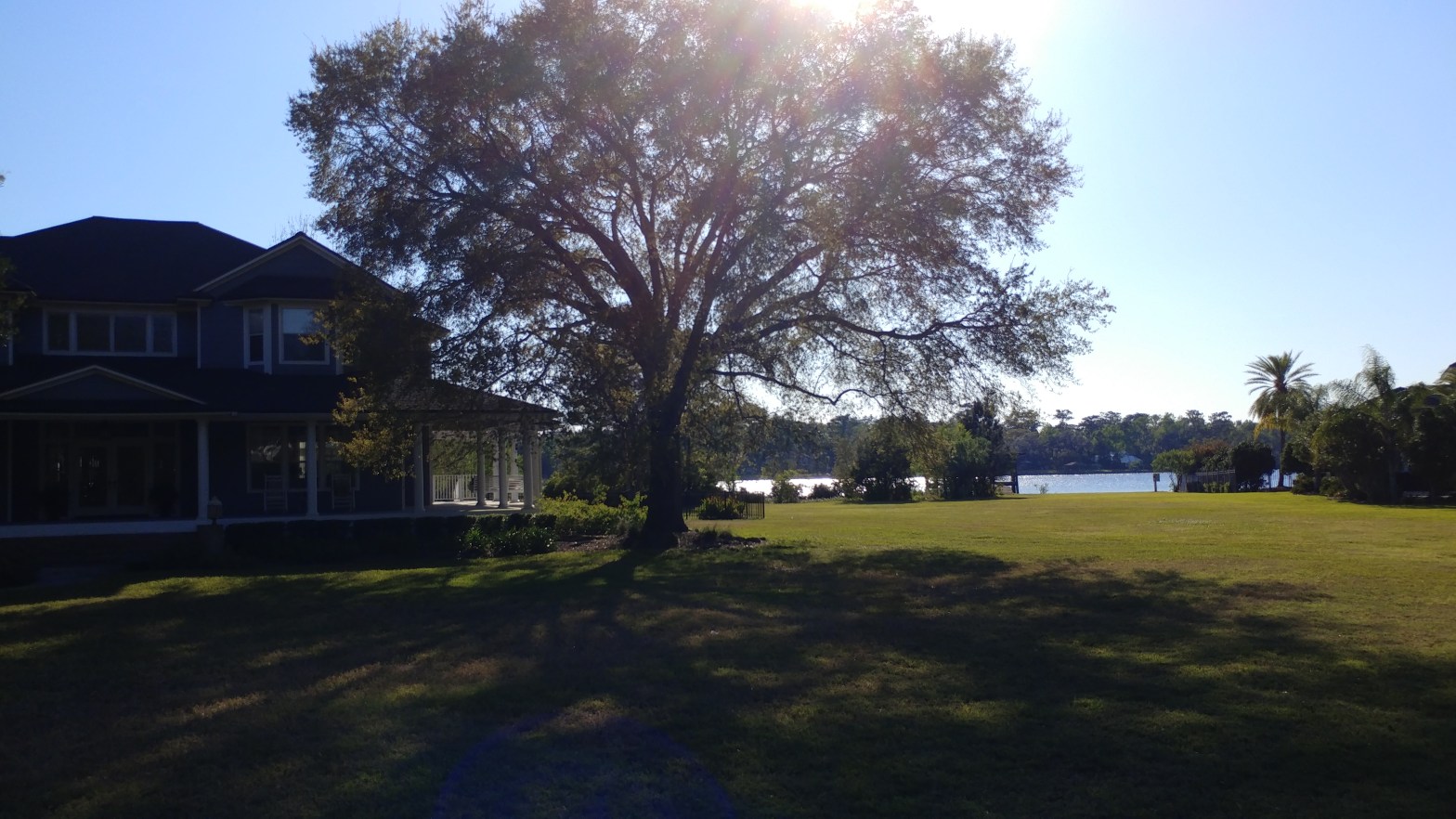
So I call this “Inspiring Tree.” I shot this one while riding my road bike in Jacksonville, FL. The tree itself is wise and aged, which is inspiring. The light shining through it is inspiring and beautiful, perhaps symbolic of a higher power – no matter if you believe or not, and if you do, in which one you believe. This is one of my favorites, showcasing light and shadows. Hope it helps you center yourself today.
Concentration of Solutions and Tonicity
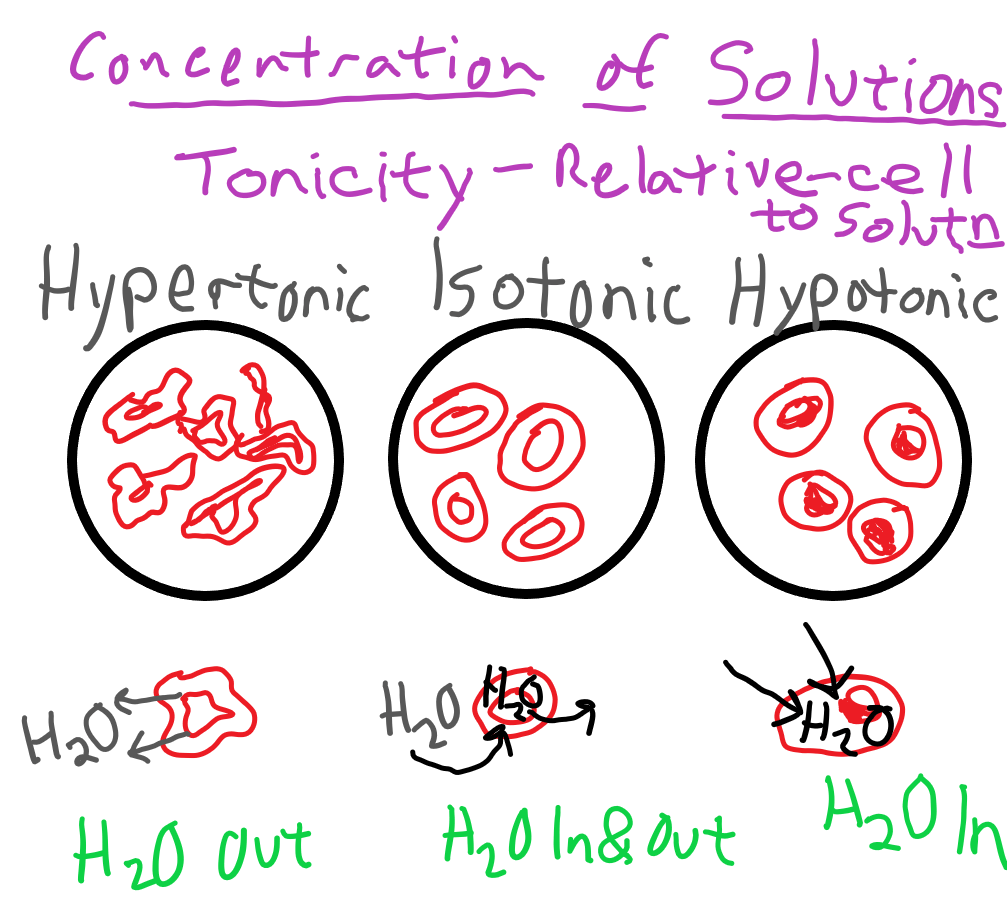
This second discussion of an important topic in Anatomy and Physiology will cover concentration of solutions – in other words, does the cell shrink or burst, or neither, when placed in different solutions? Tonicity is the concept governing the answer to this commonly asked question. The first thing to realize here is that we only consider the movement of water in and out of the cells. There are small solute particles that may pass in and out. They are insignificant when figuring tonicity. Tonicity refers to the amount of solute particles dissolved in a solution relative to the amount dissolved on the inside of the cell or cells in question. Red blood cells are often used as an example because it’s important for them to be healthy, and not shrinking or bursting. Those are RBCs in my drawing, which would be something similar to what I would draw on the whiteboard, were I to be giving a lecture on this topic. I’m writing now something similar to what I would say, if I were to lecture on this topic. I call these discussions and drawn figures “Lecture Notes on Anatomy and Physiology.” Continuing with tonicity, placing a RBC in a hypertonic solution would cause water to leave the RBC and begin to shrivel. If the solution in hypertonic enough, the cell dies. Equal amounts of water flow in and out when the RBC is placed in an isotonic solution. The prefix iso- means equal. Remember the old isosceles triangle. Finally, a RBC in a hypotonic solution will swell and possibly burst. Water gets sucked into the cell by osmosis, as the solutions even out the concentrations inside and outside the RBC. Again, the small solutes passing in and out of the RBC are insignificant here, when determining whether the cells will shrink or swell. This is why one does not give water in an IV line, but saline solution instead. An influx of water into our blood would dilute the surrounding plasma outside the cells, causing water to rush into the RBCs. This would likely damage the cells, and maybe even cause many to burst. Probably not a good thing to happen in our blood, right? I hope this helps you with this important Anatomy and Physiology topic.
Inspiration
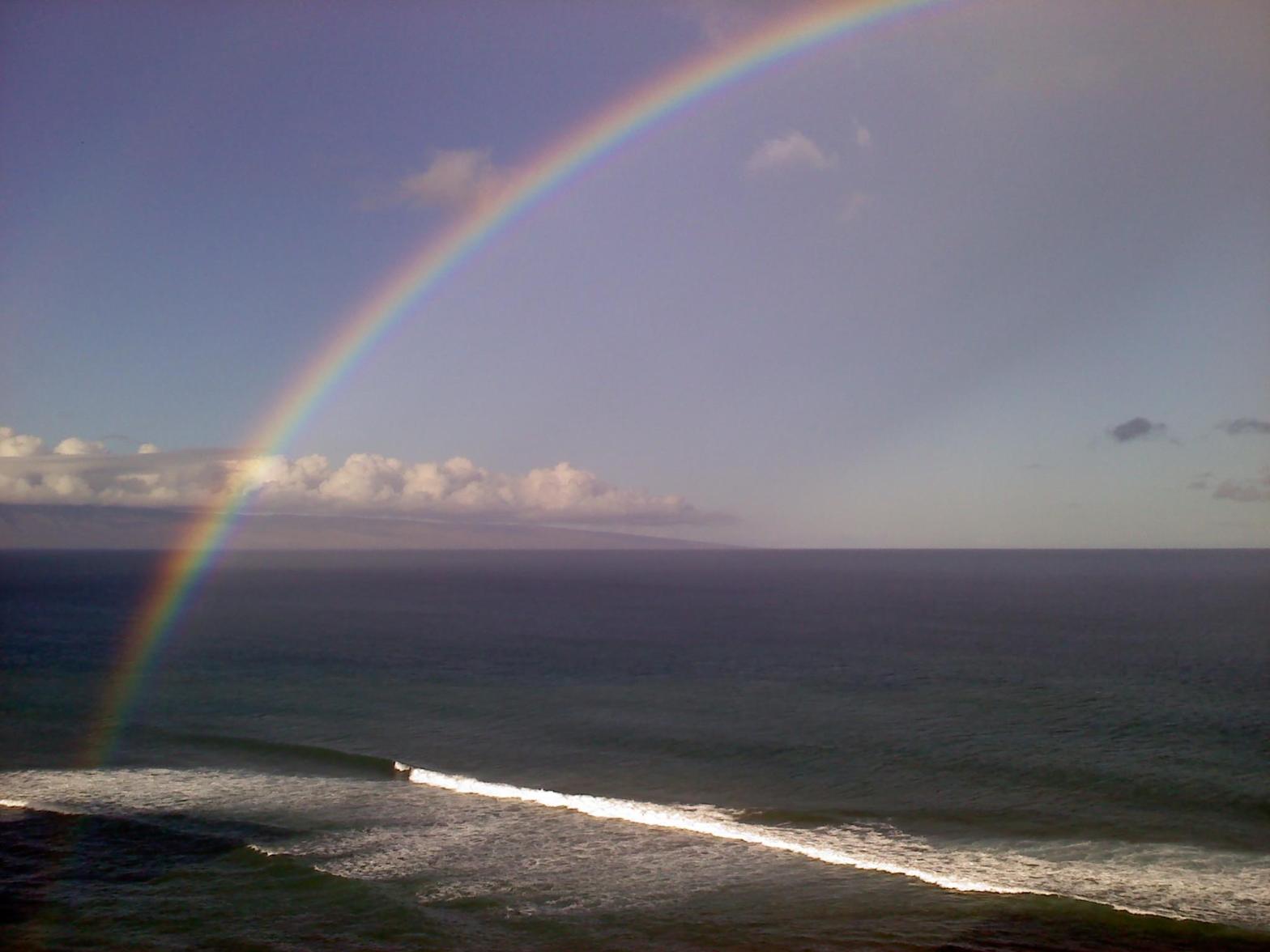
What’s more inspiring than nature during hard times, and always…
Na-K Pump: Active Transport
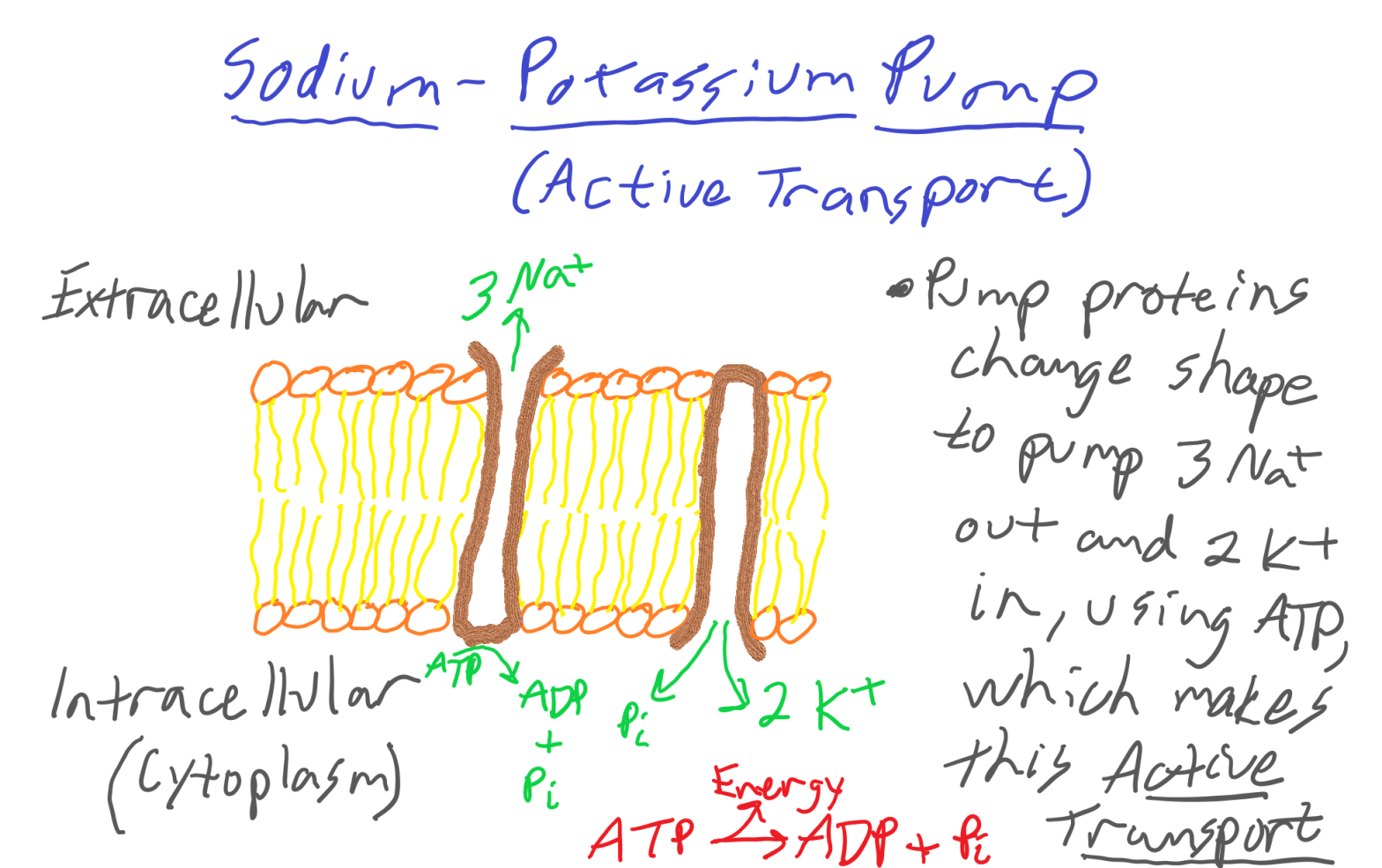
Active Transport is active (as opposed to passive) because it uses chemical energy released by breaking off one inorganic phosphate from ATP. In the case of the Na-K Pump, that energy is used to change the shape of the membrane transport protein, thus dumping out 3 Na+ ions. This movement of sodium out of the cell is Against it’s concentration gradient, which means energy is required to drive the change of shape in the membrane protein that drops it’s bound 3 Na+ ions outside the cell. Two K+ ions are brought inside the cell with an inorganic phosphate via a co-transport mechanism, not requiring more energy, or ATP, be used. This movement of sodium and potassium across the cell membrane is essential to our body’s proper operation, or physiology. This maintains the membrane potential of a nerve cell, or neuron. Without this potential, a neuron would not fire off an action potential. We would not be able to have a single thought in our brain, let alone millions of them.
Sunset Fishing
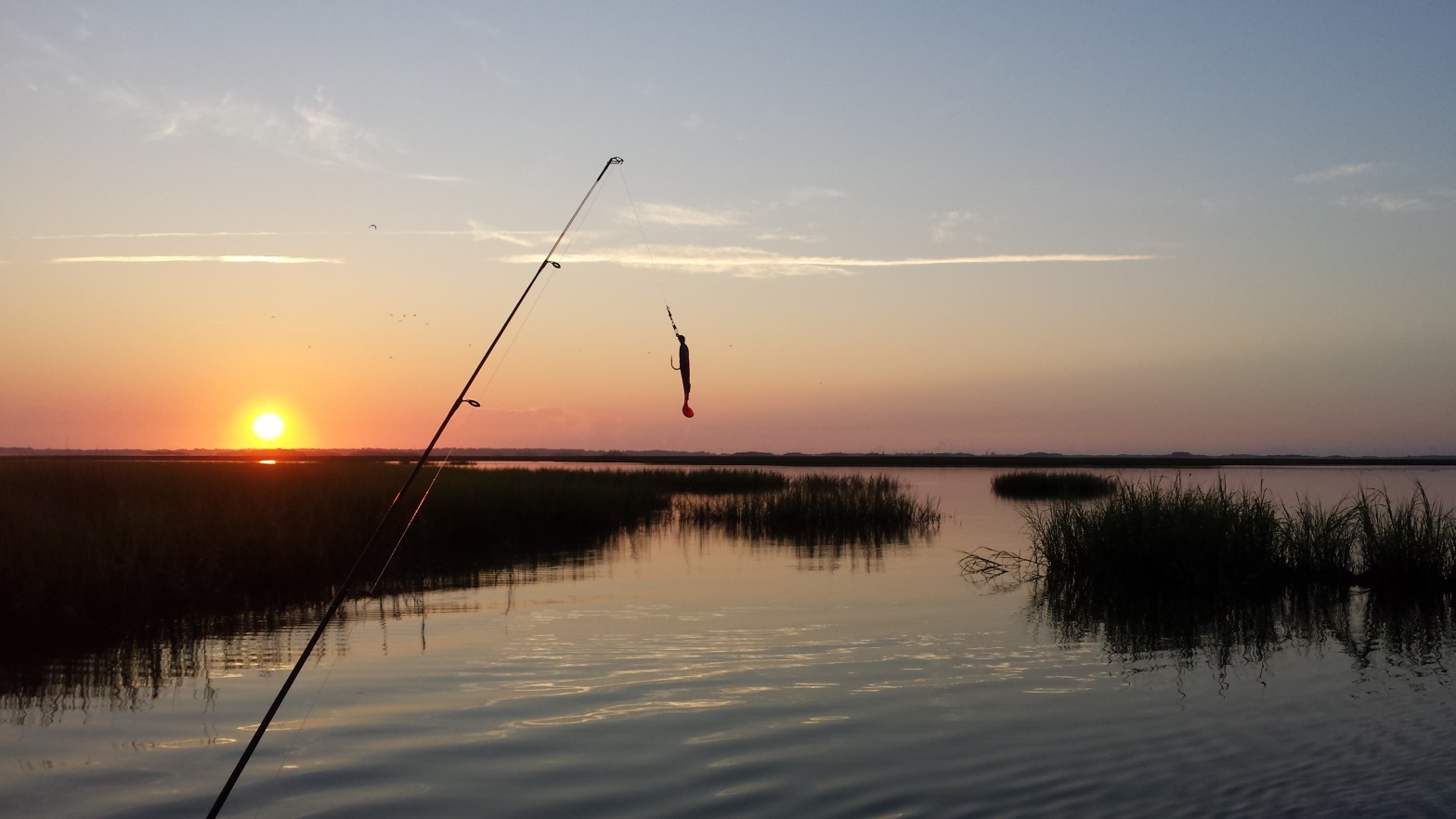
Two of my favorite things in life are sunsets and fishing. That’s mostly why this photo makes me happy. The time around sunset and the sunset itself both make me feel peaceful and contemplative. Fishing, especially with artificial bait like the jig bait shown here, is very meditative for me because of the repetitive casting and reeling. Of course, no two casts or subsequent reel-ins are alike. Thus, trying to work the bait back in with maximum effect after deciding on the perfect splashdown spot for it, gives a kind of perfect distracted focus. I mean perfect for meditation, self-refection, relaxation, or anything that helps you find peace of mind. The pic is unfiltered, as usual – just like life.
No, But It Kinda Looks Like A Gator
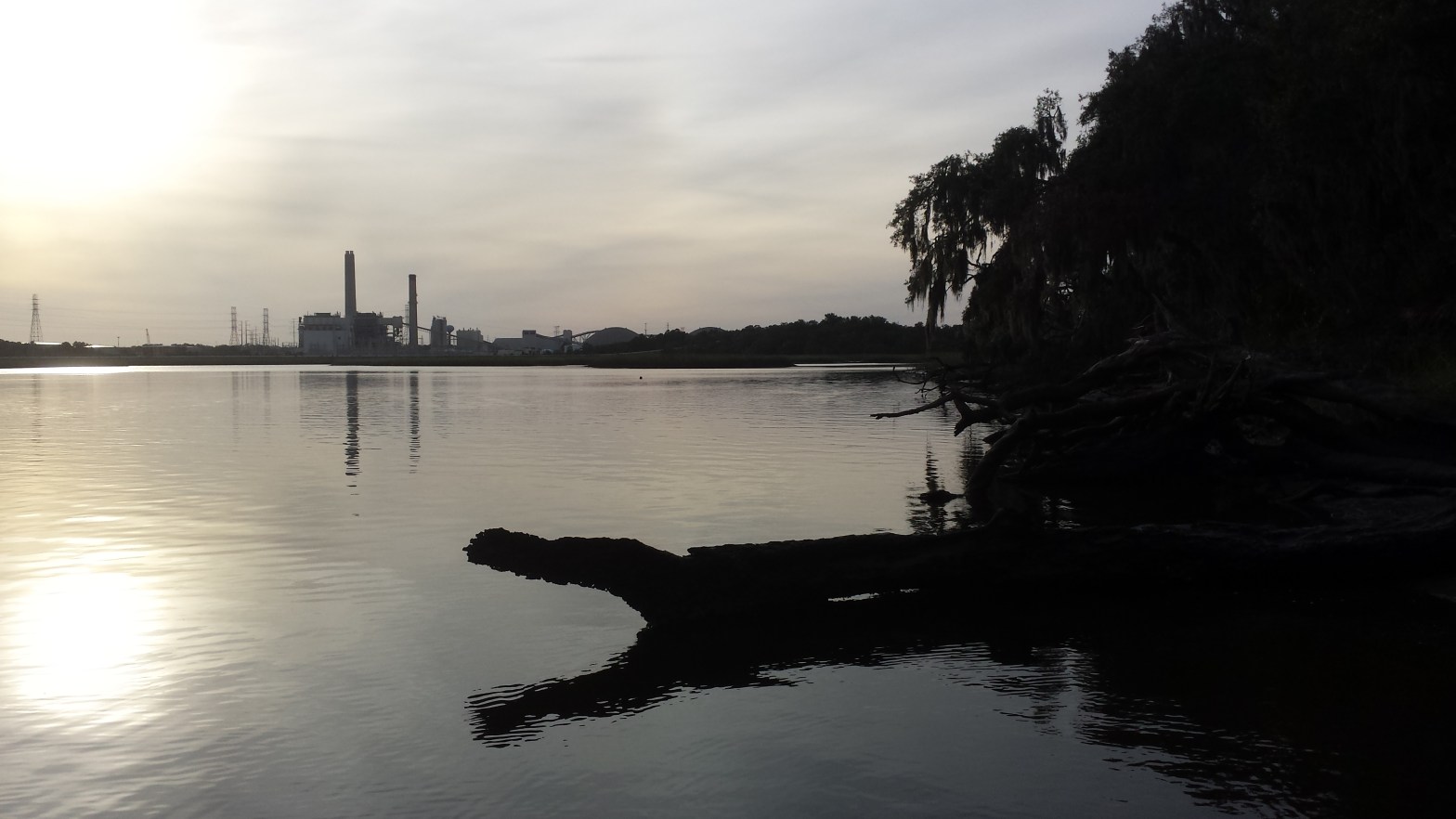
I love the contrast of nature and the encroachment of man in this one I took, while fishing in northeast Florida. Unfiltered (as nearly all my photos are), the possible gator is actually part of a fallen tree reflecting in the water. Thus, paying homage to two Florida icons, the hurricane and the gator. Was the tree blown down in a bad storm, or even a hurricane? Who knows? It’s Florida.
Wish I Was Here
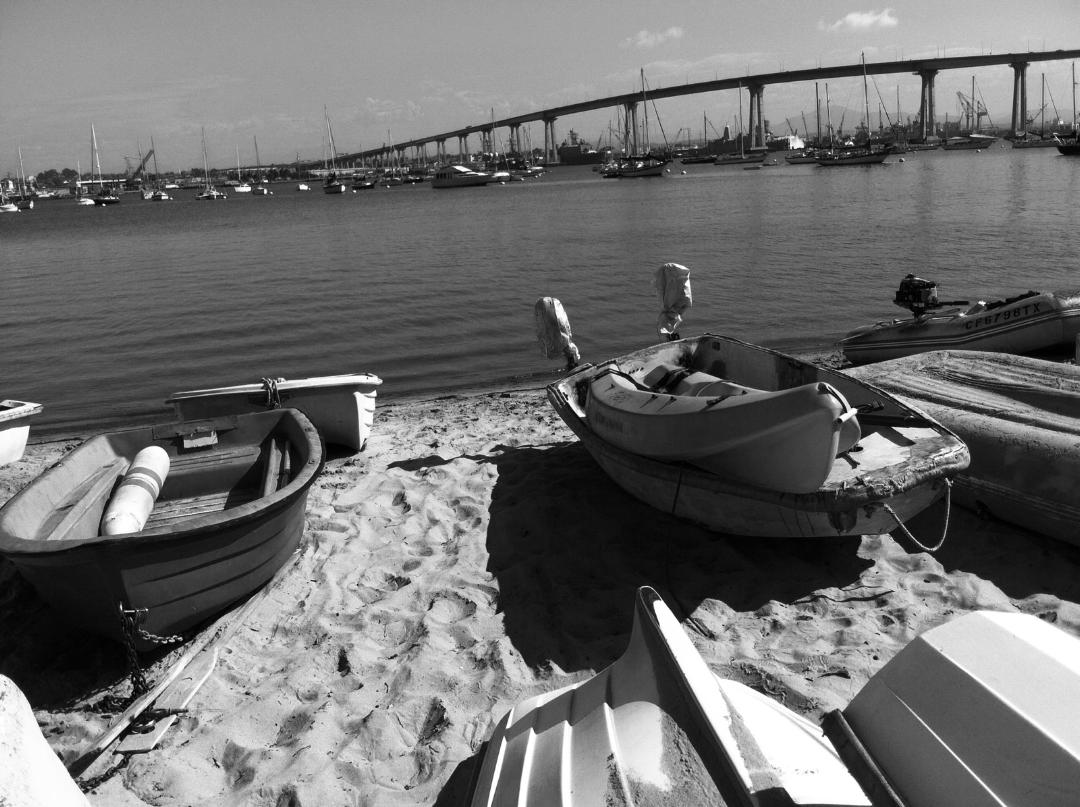
Here’s another photo by 68somebody70. Follow him on Instagram for more great pics.
Zen Tree
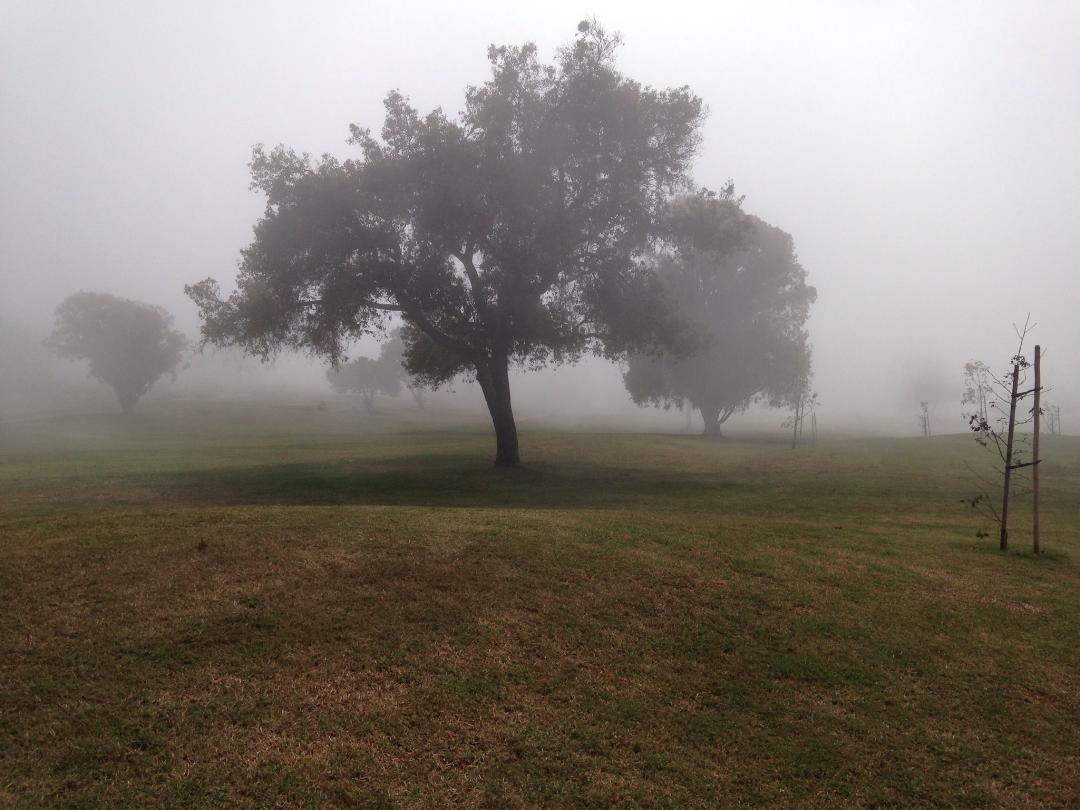
Looking at this tree puts me in a zen mood. I don’t know about you, but I find this photo helps me to clear my mind. Much like, “if a tree falls in the woods…” & other similar sayings (yes I know they have a name), this tree helps me clear my mind. If you can’t look at this picture while saying your favorite mind-clearing question, related to our existence, then at least picture it while you recite your favorite. Hope this Random advice helps your overall wellness.
Photo taken by 68somebody70. Follow his account on Instagram.
Tranquil Reef Snorkeling
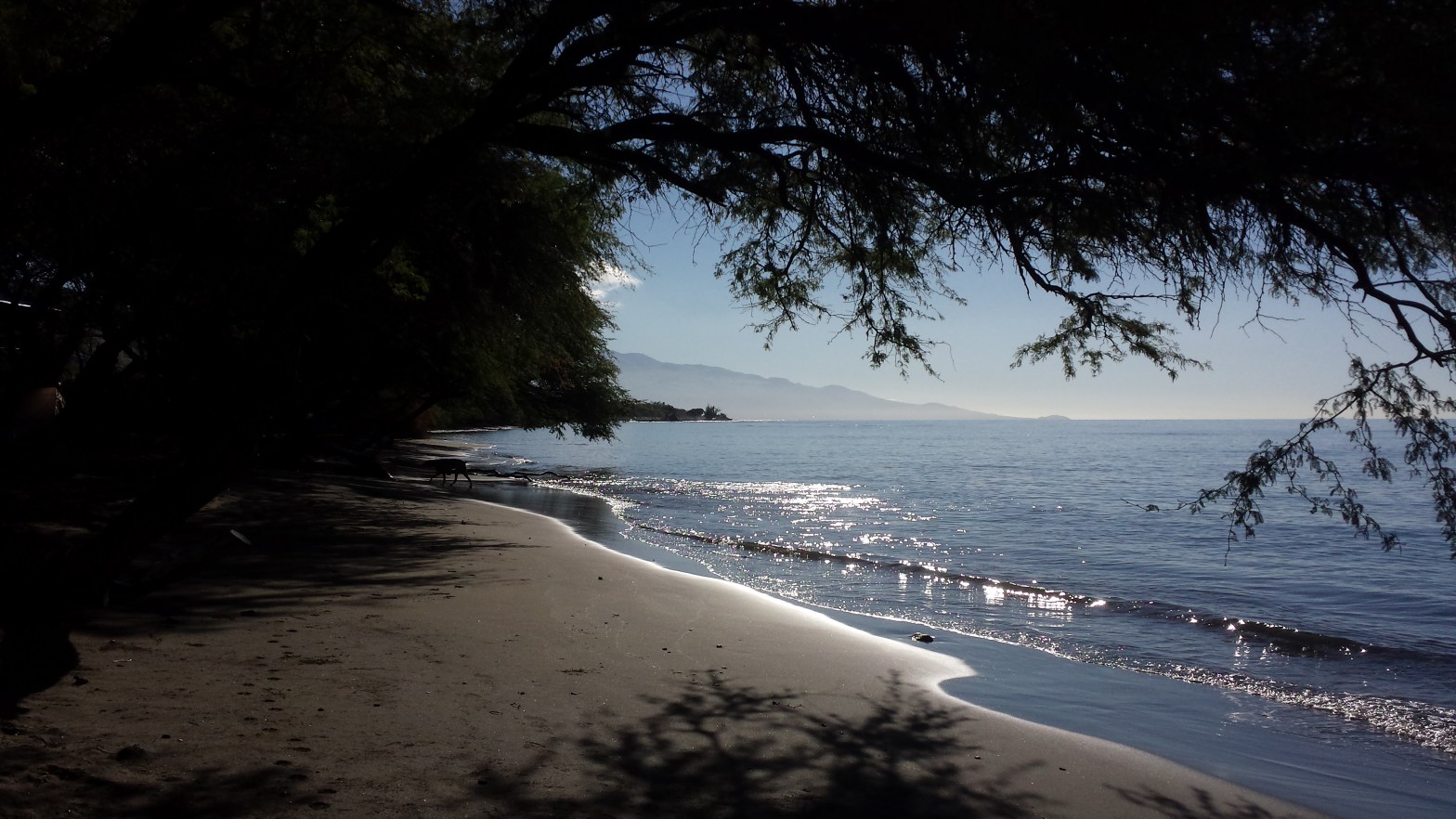
I took this shot in Maui. I find it both tranquil and inspiring, especially the lighting and perspective. Another shot in my personal gallery I find great to picture in my mind’s eye when trying to find peace and balance. What types of places and locations do you like to picture?
 RandomProfessor